
Blog
Field essays on causal AI and marketing science.
Shorter pieces by Dr. Frank Buckler, on specific decisions, methodology critiques, and patterns observed across SUPRA client engagements.
Latest essays
Category Language: Why NIVEA's Strength Isn't Producing Growth
NIVEA declined 7.9% in 2026 while owning huge familiarity. A Double Jeopardy Test across mass-market skincare shows why: the brand speaks category language.
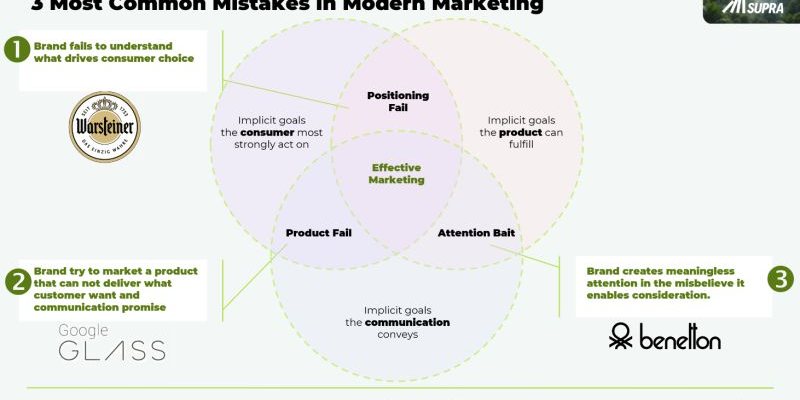
The Three Deadliest Mistakes 90% of Brands Make Every Day
Awareness treated as relevance. Strategy built on shallow understanding. Products engineered past what people subconsciously want. Three mistakes, one root cause.
Volkswagen's Factory Problem Is a Demand Problem
Roland Berger reportedly billed Volkswagen north of EUR 10M. Now VW weighs German plant closures. Restructuring fixes consequences. Demand is the cause.
Peloton's $50B Lesson: Observed Behaviour Is Not Demand
Peloton scaled as if lockdown behaviour was permanent demand. It lost over $50B in market value. Observed behaviour tells you what. Never why.
Fascination Is Not Demand: Meta's $85B Metaverse Lesson
Meta burned roughly $85B on the metaverse. People found it fascinating without ever wanting it enough to change behaviour. That gap is measurable.
Ford's $19.5B EV Write-Off and the $3M Question Nobody Asked
Ford wrote off $19.5B on EVs. Advisory fees were a rounding error. The technology was there, the money was there, the customers weren't. Here is why.
The $155M Blind Spot: Why Big Strategy Projects Fail
A consultancy reportedly billed $155M advising a merger that later unwound. The failure wasn't strategy or alignment. It was shallow customer understanding.


Mental Availability Isn't a Brand: Why Premium Stretch Fails
A brand is a network of associations that have a quality, not just a quantity. Why mental availability doesn't carry a mass brand into premium, and how to test it.


Can AI Replace Consultants and Insights Agencies?
Yes and no. AI can draft a pricing strategy in an afternoon, but around 20% of its recommendations mislead. Here's how much to internalize and where experts still win.
The One Growth Bottleneck: Stop Doing More, Find the Constraint
Growth doesn't come from doing more sensible things. It comes from finding the one bottleneck that caps your growth and doubling down on it. Here's how to find yours.

Why Customers Can't Tell You Why They Buy
99% of companies never fully understand why their customers buy. Customers can't tell you, they don't know. Here's why, and how to measure the real drivers.
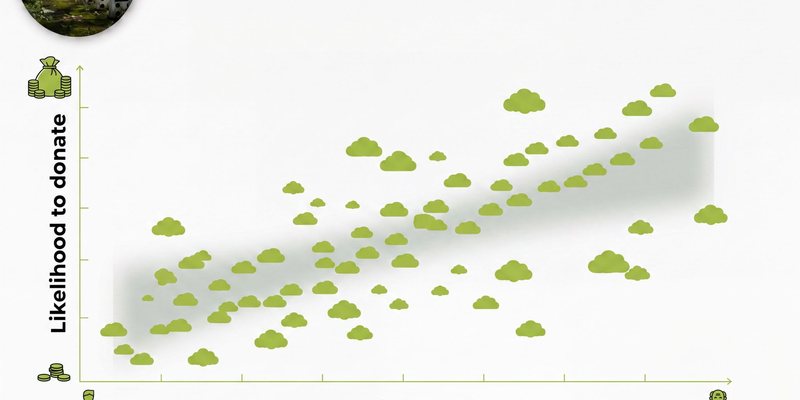
Why Age Doesn't Drive Donations (And What Actually Does)
Age correlates with donating, so non-profits chase seniors. Causal AI shows age has no causal effect. Wealth does. Why the correlation misleads, and the fix.
Consensus Is the Riskiest Strategy in the AI Era
AI regresses to the mean. So do organizations that approve what everyone agrees on. Why consensus is now the riskiest strategy, and where real growth comes from.
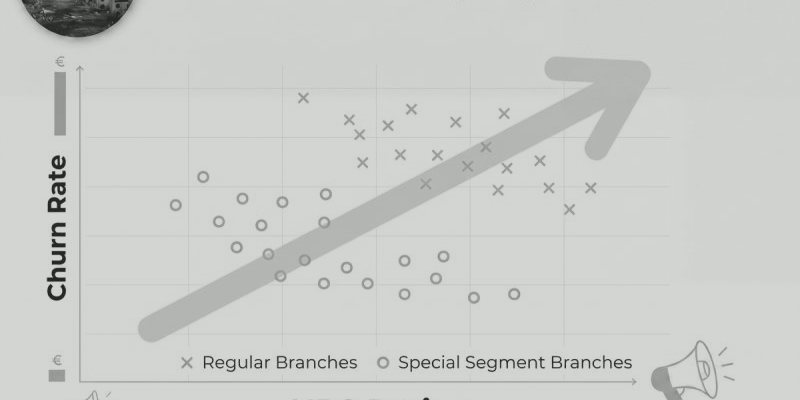
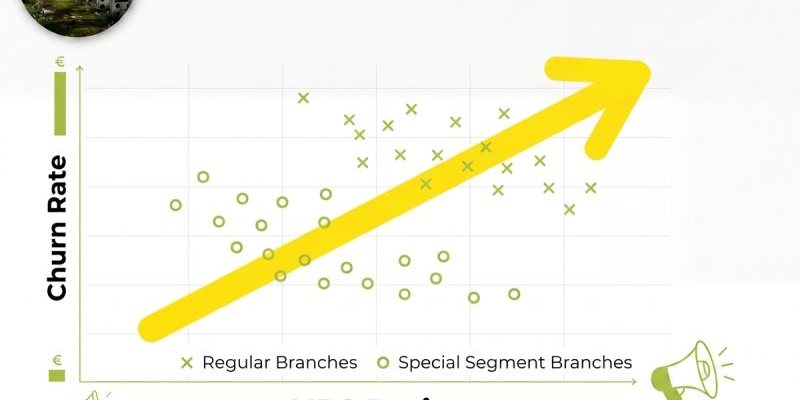
When NPS Correlates With Churn: The CX Dashboard Trap
Sometimes high NPS correlates with high churn, as if loyalty made people leave. It doesn't. A hidden segment does. Why CX dashboards mislead, and the fix.


Beyond A/B Testing: Why Incremental Wins Have a Ceiling
A/B testing compares one tweak against the original, but there are infinite tweaks, and all of them are incremental. Here's how to reach a new level of performance entirely.
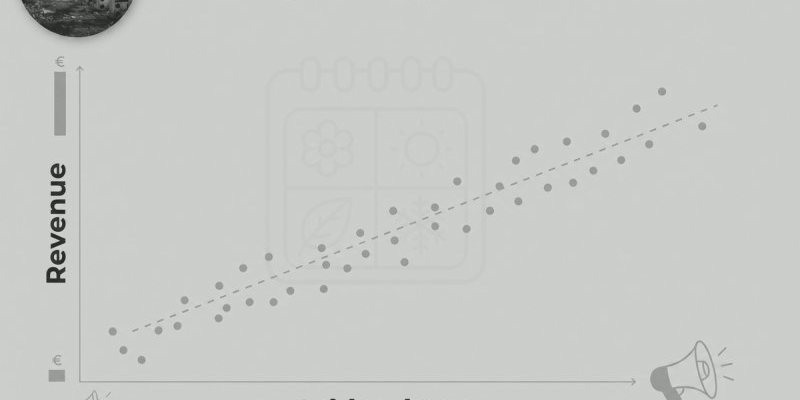
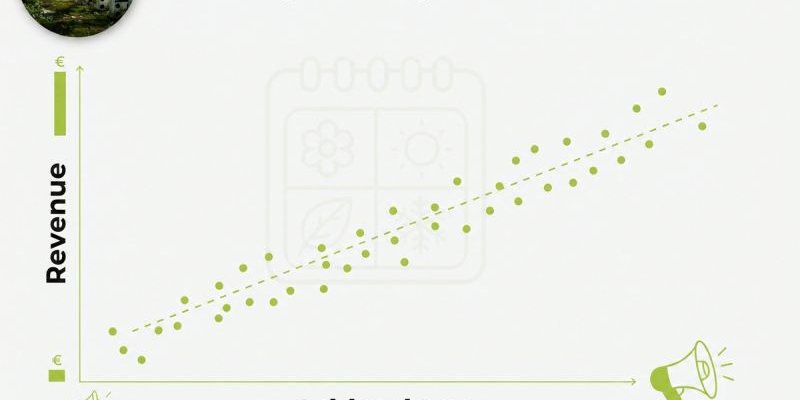
Does Ad Spend Actually Drive Revenue? The Correlation Trap
Ad spend and revenue rise together at r ≈ 0.9. That's not proof advertising works. It's seasonality wearing a disguise. Here's how to measure the real lift.

The Say-Do Gap: Why Leaders Bet Billions on What Customers Never Meant
Ford, Meta, Peloton, Nike, Intel, a graveyard of billion-dollar bets built on what customers say instead of what they do. The say-do gap, and how to bet with evidence.
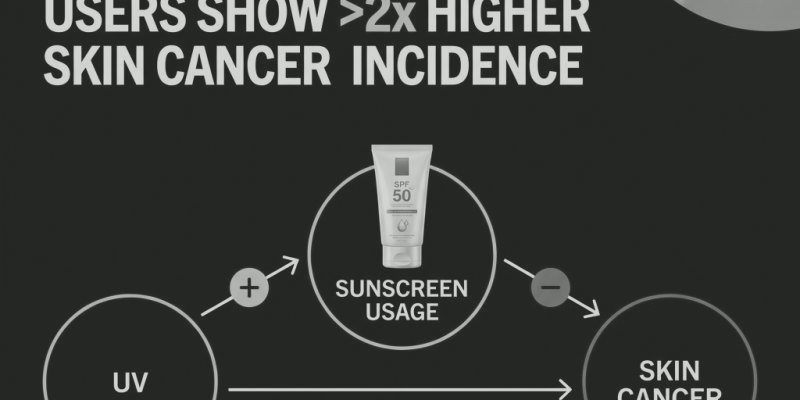
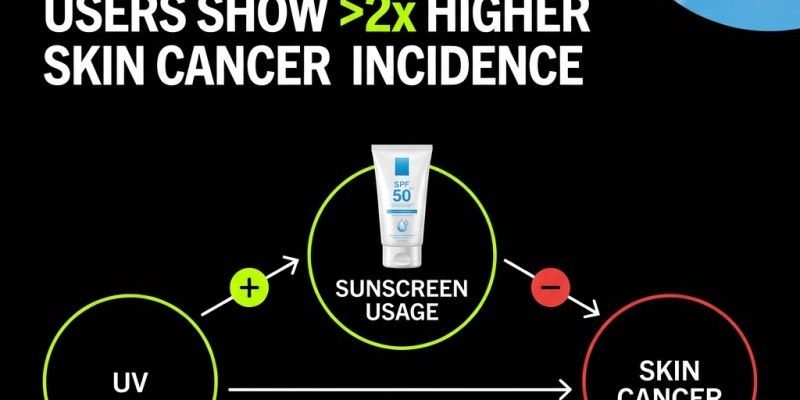
The Sunscreen Paradox: When Correlation Points the Wrong Way
A study of 470,000 people links sunscreen to 2x cancer. It's a real correlation, and completely misleading. The same trap sits inside your marketing dashboard.


The T-Mobile Lesson: Most Brands Misunderstand Why Customers Buy
T-Mobile 4x'd revenue in a commoditized market with a worse network. The reason wasn't price. It was understanding what customers were truly longing for.


Why 90% of Price Models, MMMs and Driver Analyses Are Wrong
Machine Learning predicts. Causal AI explains. Why most price models, marketing mix models and driver analyses deliver biased results, and how to spot it.


The 5% Pattern: Why Growth Is a Chain, Not a Lottery
Only ~5% of ads drive growth. The same 5% shows up in brands and innovations. It's not luck. It's a Success Chain that breaks at the weakest link.
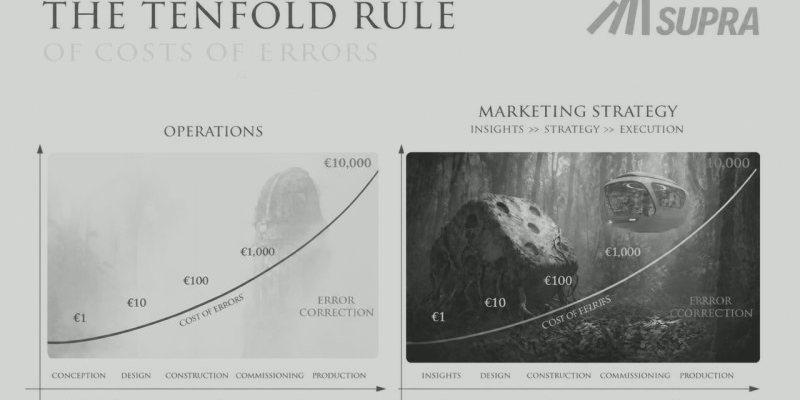
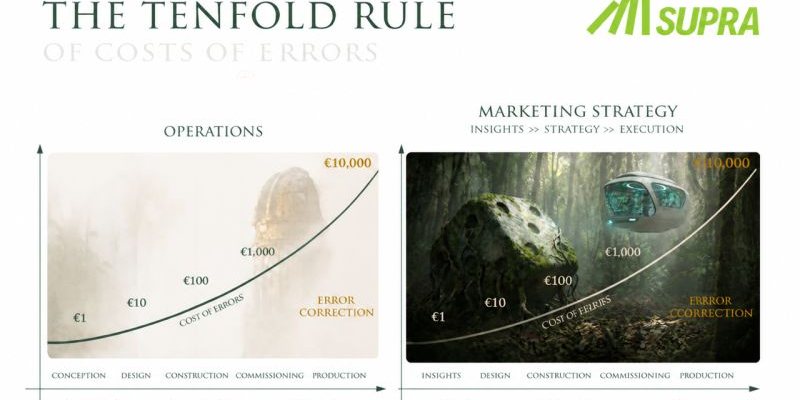
The Tenfold Rule: How a "Tiny" Research Mistake Cost Ford $19.5 Billion
Early mistakes multiply tenfold at every stage. Ford's EV bet, built on conventional research, cost $19.5B in 2025. The Tenfold Rule of marketing strategy.
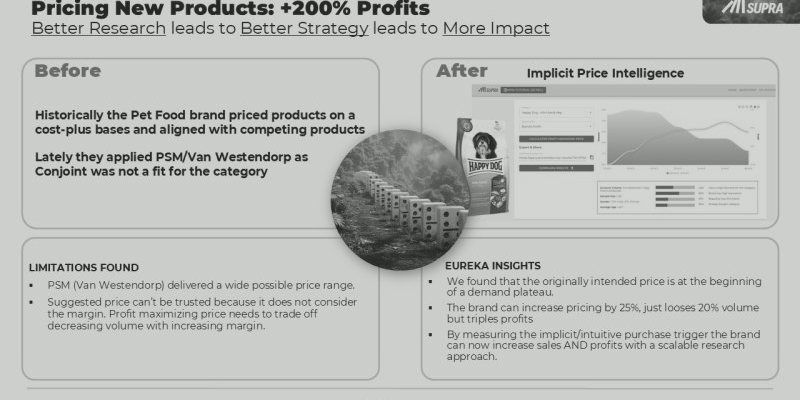
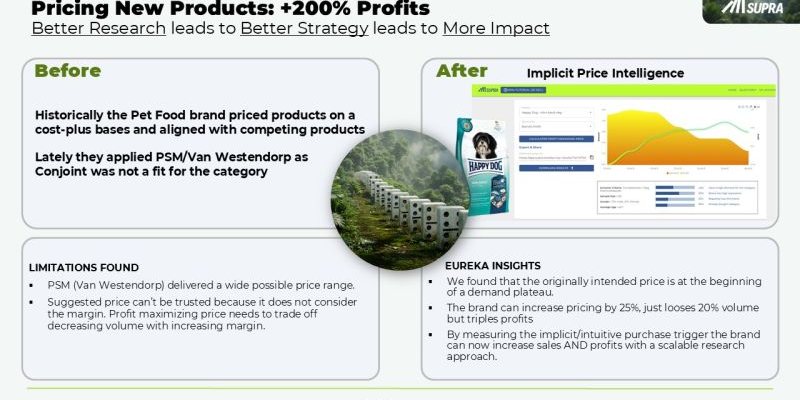
Apple Just Raised Prices 26%. Are You Managing Pricing This Professionally?
Apple raised prices 26%, from the top of the premium market. Most brands price on guesswork or flawed methods like Van Westendorp. Here's the professional way.


Your Aversion to Getting Technical Costs You Millions
CMOs can't master every technical detail. But if you can't kick the tires on your insights, your strategy is built on sand. Here's what to ask, and why.

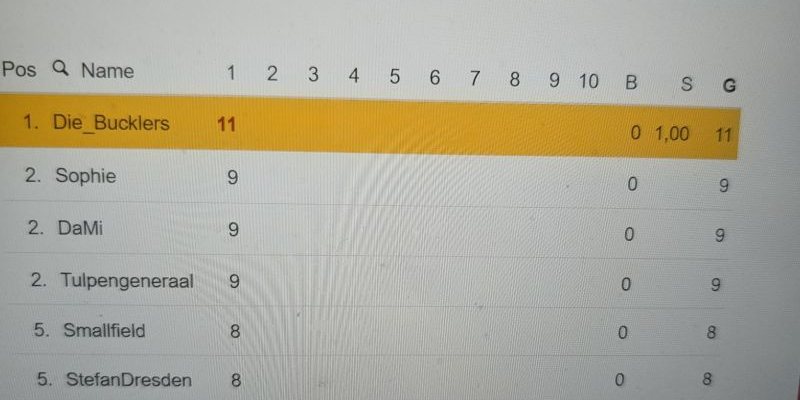
What a World Cup Betting Pool Taught Me About AI
75 people used AI to bet on the World Cup. The scores couldn't be more different. Two lessons on why AI needs experts, and an end-to-end insights-to-impact chain.
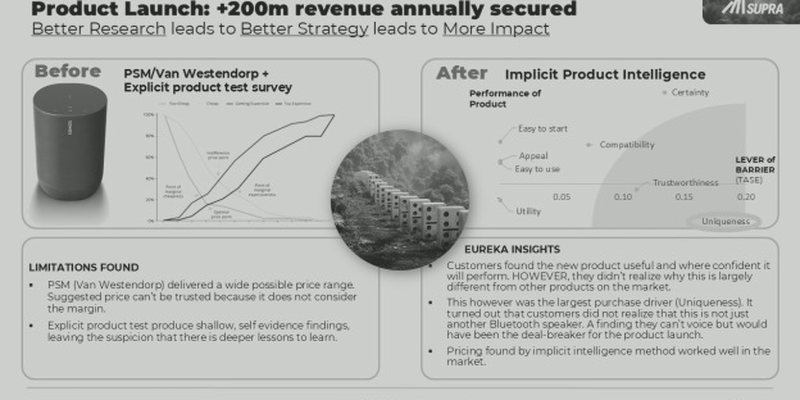
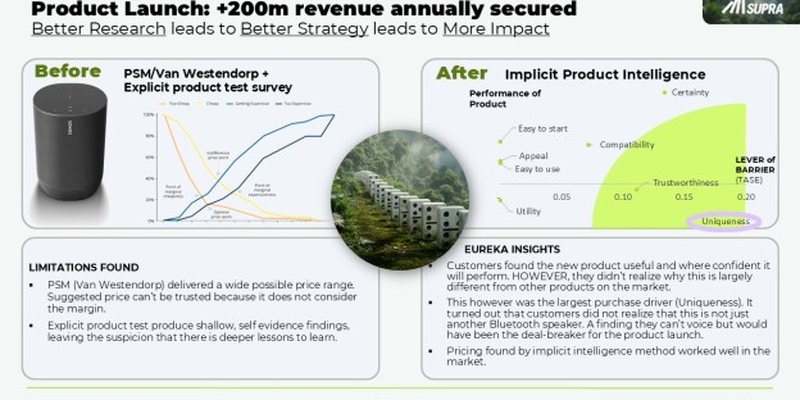
How "Good Standard" Research Almost Killed a Product Launch
Van Westendorp for the price, explicit surveys for adoption blockers, all by the book. The book missed the biggest purchase driver. How implicit research saved the launch.
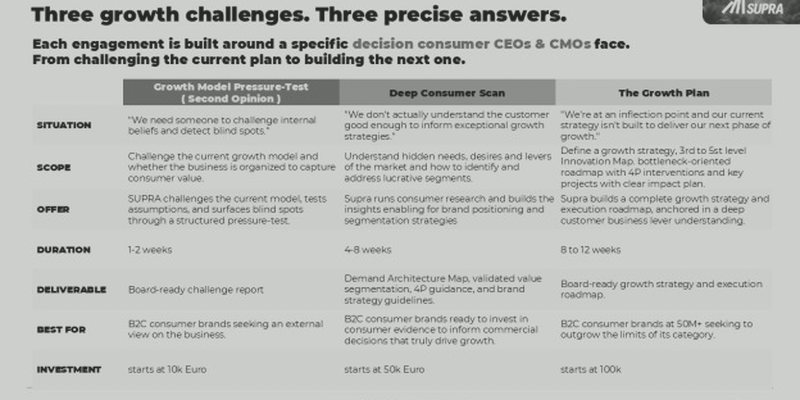
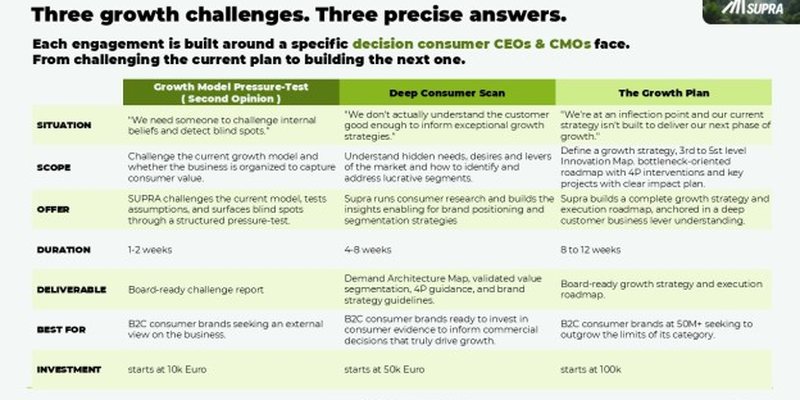
Three Growth Challenges Every CEO Faces, Which Is Yours?
Flawed execution, a strategy built on shallow insight, or a plan that outlived its purpose, three growth challenges, three different fixes, and a free AI Diagnostic to find yours.
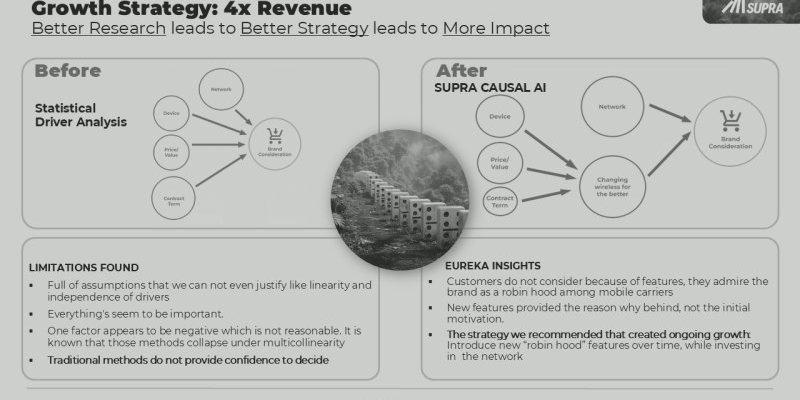
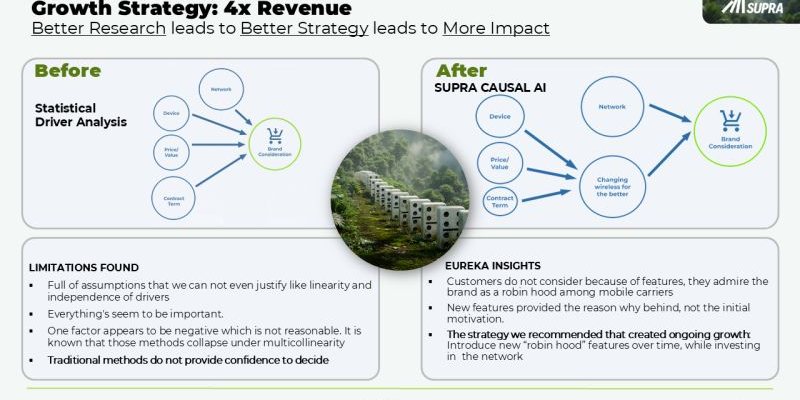
The Right Growth Strategy Can 4x Revenue, Even in a Commoditized Market
Most brands don't fully understand why their customers buy, so their strategy is built on sand. How clarity and insights can 4x revenue in a commodity market.
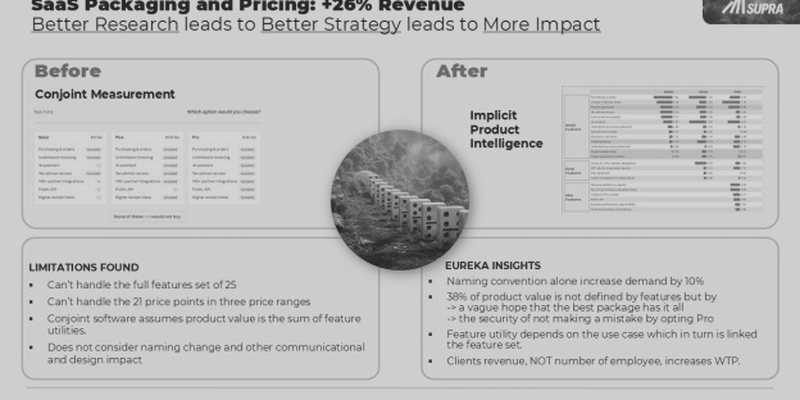
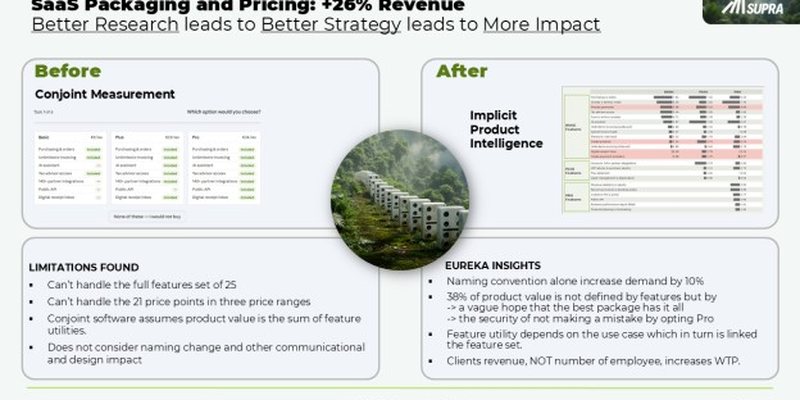
Four Pricing Insights We Would Have Missed With Conjoint
A naming convention lifted demand by 10%. 38% of product value wasn't features at all. Four real pricing insights that conjoint analysis would have missed.


Same Thinking, Same Outcome: Why Only 5% Truly Succeed
Only 5% of brands, launches, and creatives truly succeed. The story behind THE TOP 5%, and why copying textbook marketing wisdom guarantees average results.
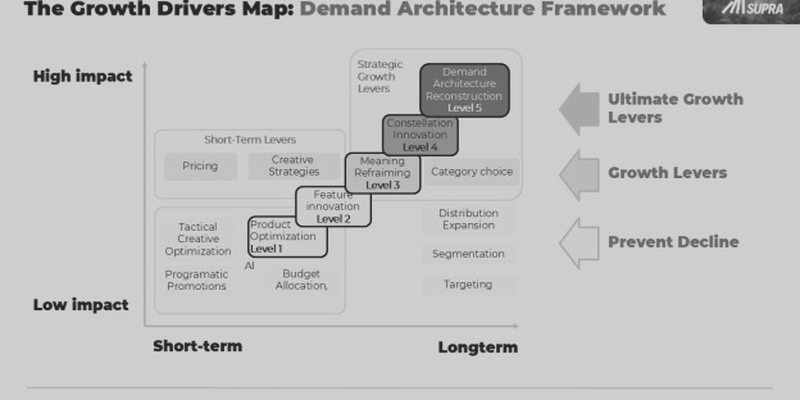
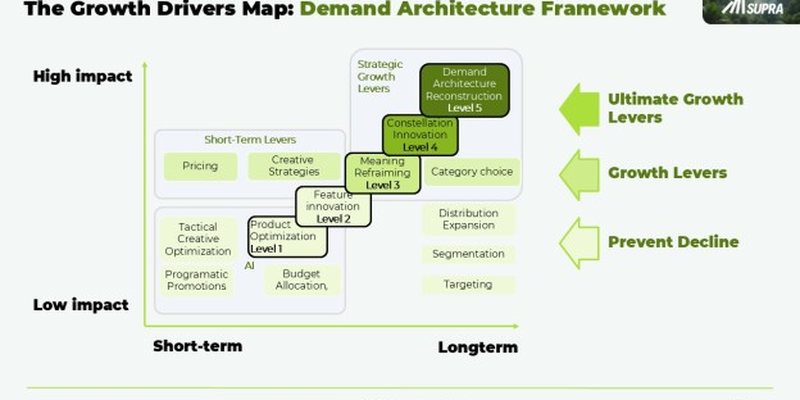
The Perfect-Marketer Paradox: Why Doing Everything Well Kills Growth
Trying to be a perfect marketer produces bad marketing. Why mastery in one high-impact domain beats competence in ten, and how T-Mobile proved it.
The Growth Map: Stop Tinkering, Start Prioritizing High-Impact Fields
Most brands tinker with MMMs, digital marketing, and fuzzy segmentation. Science shows it won't create significant growth. The Growth Map shows what will.


Ever Sought a Second Opinion From a Doctor? Do It With Your Strategy Too
A €1m MBB growth strategy is only as good as the insights beneath it. Why a low five-figure second-opinion project is the highest-leverage check you can buy.
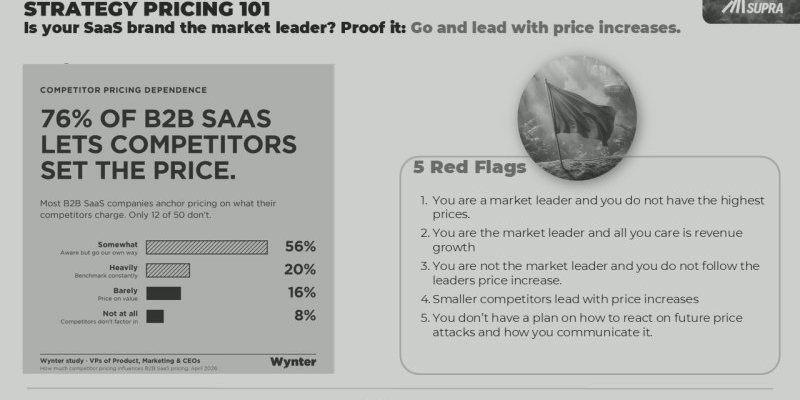
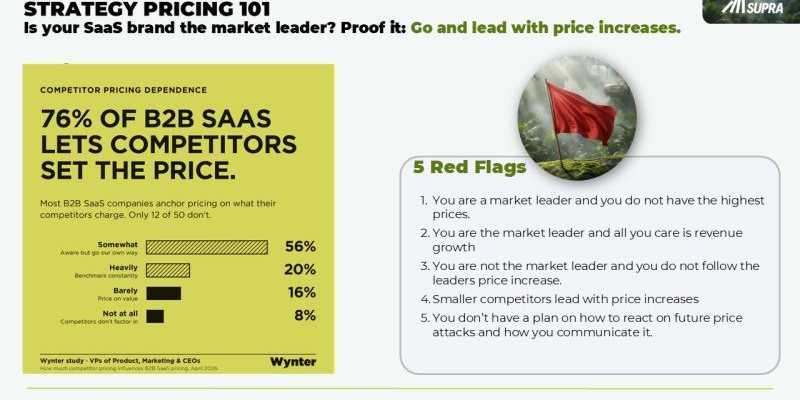
Pricing Is Not a Tactical Discipline. It's a Dynamic Market Game
The market price is not a given, long term, it can be nurtured. Why pricing is a dynamic market game, and how tactical optimization alone leaves the biggest lever untouched.
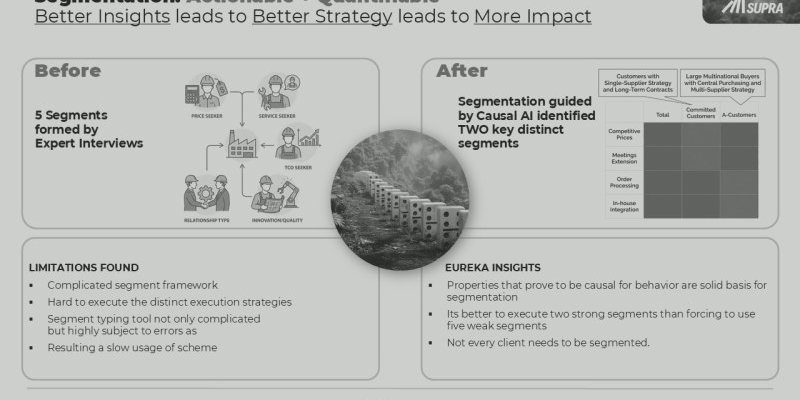
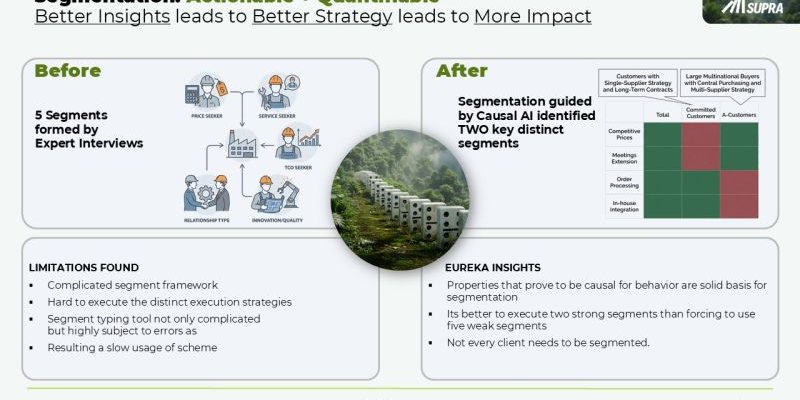
Why Most Segmentations Die in Implementation, And How Causal AI Fixes It
A top consulting firm's segmentation faded out in implementation. Causal AI replaced it with 2 core value segments the organization actually used. Here's why.
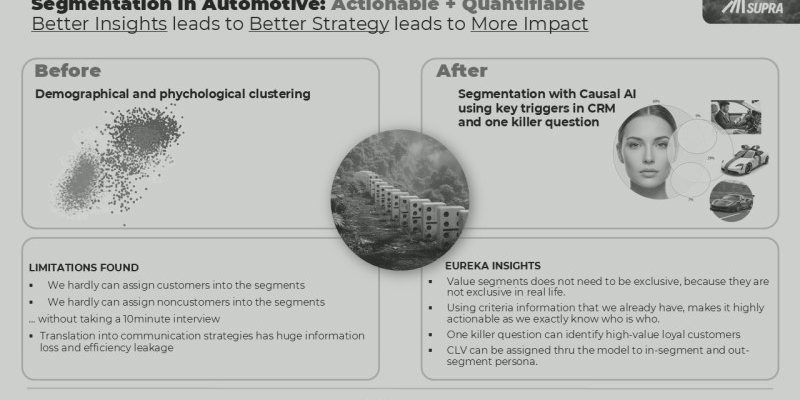
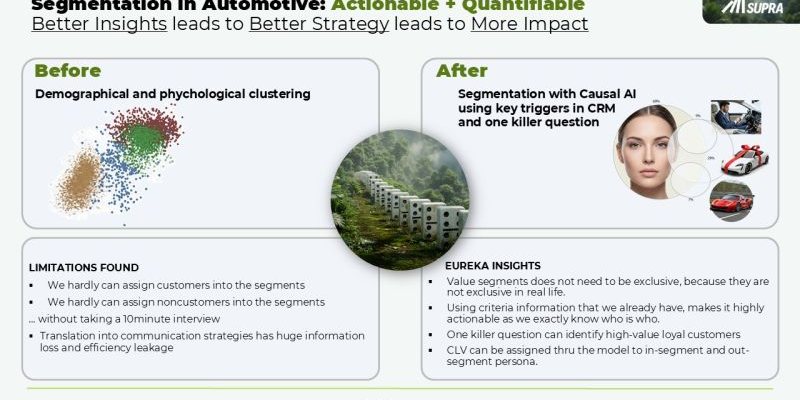
Segmentation Fails at Activation. Behavioral Triggers Fix It.
Demographic and psychographic clusters look sophisticated but fail at activation. Behavioral triggers plus Causal AI produce segments you can actually use in CRM and sales.
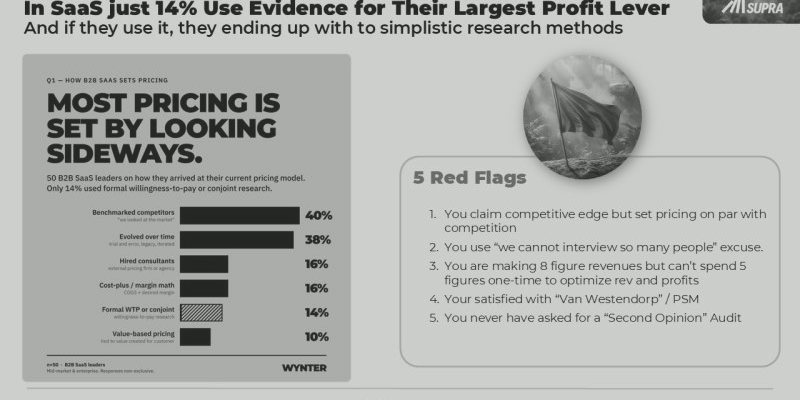
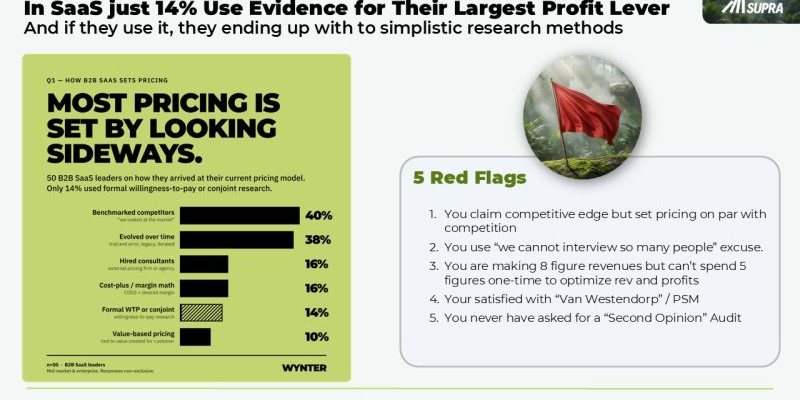
5 Red Flags in Your SaaS Pricing (And Probably Beyond)
Most SaaS pricing is guesswork. Five red flags that your price is quietly capping profit and growth, and how causal, validated insights fix each one.
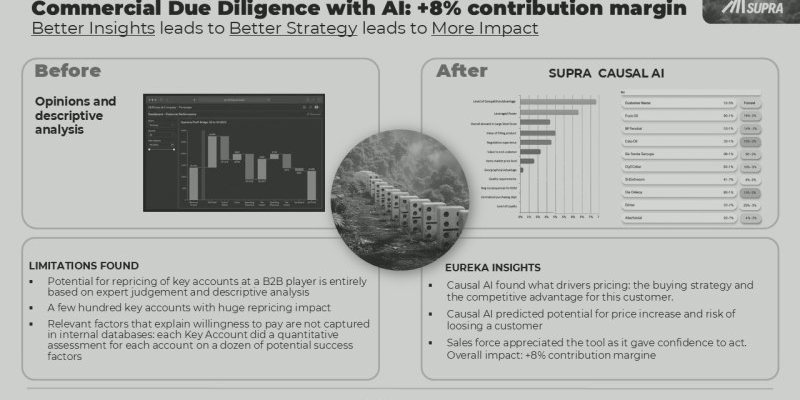
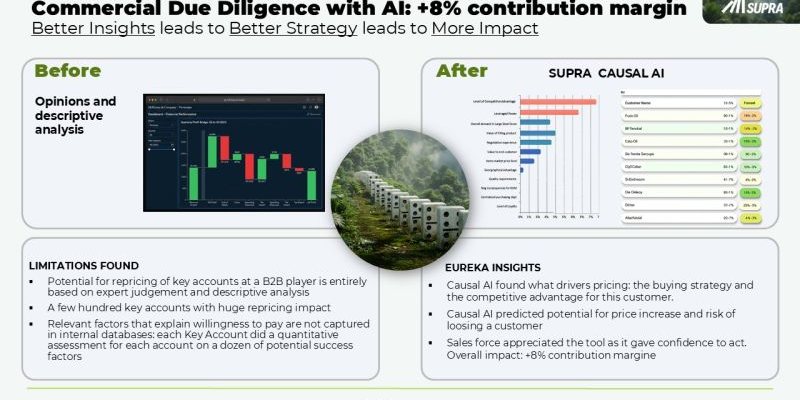
€10M in Pricing Decisions Were Left to Key Account Managers
A B2B company let key account managers set €10M in prices. Causal AI turned their uncertainty into confidence, and delivered +8% contribution margin.


Most Pricing Discussions Stay at the Surface. Here's What's Missing.
Frameworks, benchmarks, best practices, and still no answer to what happens when you move the price. Why pricing needs causal understanding, not plausibility.

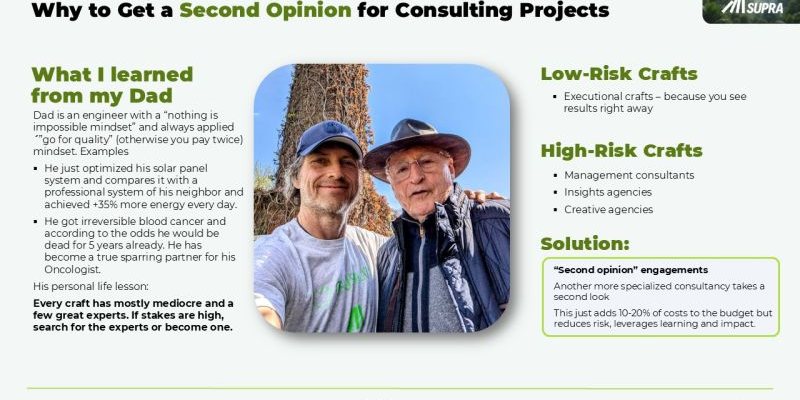
The Boutique Hack: How to Challenge Your MBB Consultants Without Firing Them
Everyone complains about their consultants. Nobody fires them. The Boutique Hack: give a specialist boutique one focused task and let the results compete.


Awareness and Attention Are Vanity Metrics
Marketing tries to convince the rider while the mustang decides. Why awareness and attention are vanity metrics, and what market research should measure instead.


Faster, Easier, Cheaper: The AI Research Trap
At IIEX NA 2026, the Greenbook sign crashed onto its own logo. A perfect metaphor for AI research tools chasing faster, easier, cheaper, instead of truth.
Why Market Research Is Broken, And What to Do Instead
The conscious mind doesn't make the decision. It writes the press release. Why traditional market research builds strategy on stories, not behavior, and the Deep Implicit framework that fixes it.
Deep dives
Or start with a deep dive
 Guide Pricing Research Methods: A Practical Comparison Start here Deep Dive What is Causal AI? A Practical Guide for Marketing Leaders Read the guide Glossary The SUPRA Glossary: 22 terms from these essays, defined Open the glossary
 More essays coming. Subscribe to 10X Insights on Substack to get them in your inbox, or take the RSS feed.
See where you stand
Is your strategy proprietary, or just consensus?
Enter your website. We place your positioning next to four competitors and next to the answer AI gives all of you.

A directional read, not a substitute for full analysis