
The SUPRA Reason to Buy
Demand Architecture.
The management map behind customer choice.
Demand Architecture is the map of the hidden motives, barriers, category codes, trust signals and value drivers that determine whether people choose, ignore, switch to or pay more for a brand. It translates customer truth into decisions for brand, innovation, creative, media and pricing.


Why this matters
The enemy is not agencies, market research or internal marketing teams. The enemy is plausible but false customer understanding.
Most brands don’t fail for lack of data. They fail because the story they believe about why customers choose is convincing, and wrong. Conventional methods quietly reinforce that story instead of correcting it:
- Customers say price is the reason, when it rarely is.
- Brand trackers show movement, but not why it moved, or what to do next.
- Segmentations describe who customers are, not what actually drives their choice.
- Campaigns perform on their metrics, while quietly reinforcing the wrong reason to buy.
- AI summarizes what customers say, but cannot tell post-rationalization from real motive.
The framework
The five layers of Demand Architecture.
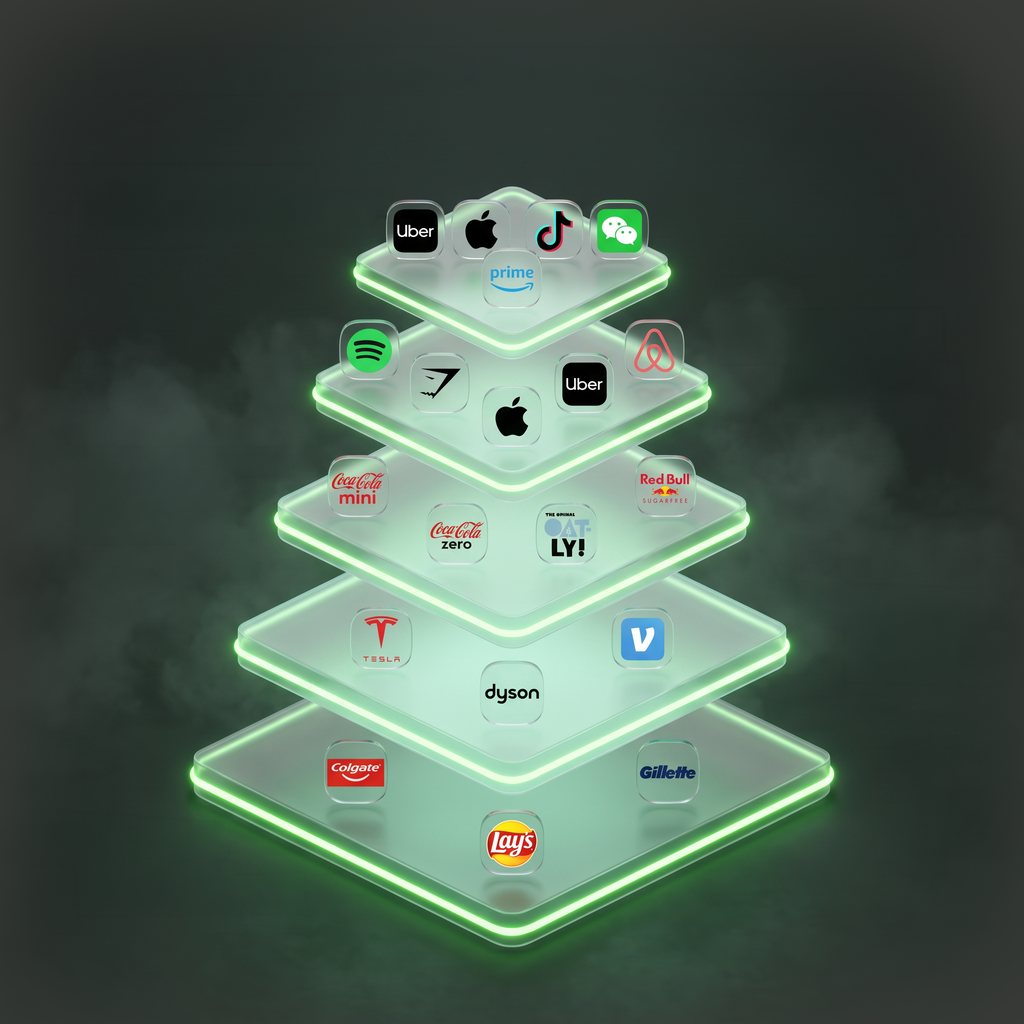
Customer choice is not one thing. It is a structure of five interacting layers, each one a place where demand is won or lost.
- 1
Motives
Why people actually want what they want in this category, the underlying jobs, identities and emotions that conventional questioning never surfaces.
- 2
Barriers
The hidden frictions and unspoken risks that suppress choice, the reasons people don’t act that they will not say out loud.
- 3
Category codes
The signals that mark a brand as “for me” versus “not for me”, the visual, verbal and behavioral cues that grant or deny category membership.
- 4
Trust signals
What makes the promise believable enough to act on, the proof, credibility and reassurance a brand needs before choice converts.
- 5
Value drivers
What creates willingness to pay above the category baseline, the value signals that justify a premium rather than a discount.
Applied
Where Demand Architecture changes the decision.
The same map informs every high-stakes growth decision, so brand, innovation, creative and pricing finally pull in the same direction.


Brand
Which motives, barriers and category codes decide whether your brand is chosen, and how to build for them.
Brand development


Innovation
The hidden value drivers and adoption barriers behind a product, surfaced before the launch decision is locked.
Innovation & product 

Creative
The real demand driver your creative must activate, not the reason customers articulate after the fact.
Creative strategy 
Pricing
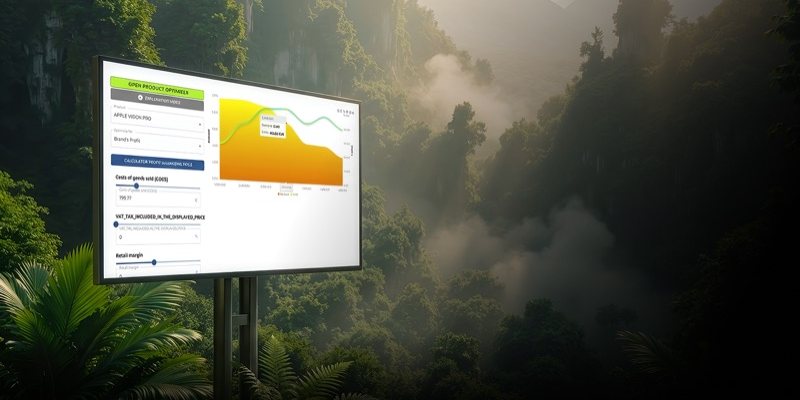
The value signal that justifies a premium, and what customers are actually willing to pay for it.
Pricing How we build it
Built on customer truth, not customer claims.
Demand Architecture is built with Deep Implicit Research and SUPRA Causal AI, qualitative neuroscience-informed framing, implicit-association measurement, and causal inference.
The result isn’t a survey result or a tracker score. It’s a decision-grade map of what actually drives choice in your category, and the levers you can pull to move it.
Proof
When the demand driver is understood.
Innovation · Sonos A category launch hinged on one demand signal. Sonos planned a new class of portable speakers (MOVE & ROAM). The barrier was a demand misunderstanding, consumers unconsciously read it as a Bluetooth speaker, not a Wi-Fi one. Fixing the signal enabled a successful category launch. Read the full case Frequently asked
What is Demand Architecture?
What is Demand Architecture?

How is it different from brand tracking or segmentation?
What decisions does it inform?
Where we start
One high-stakes decision in front of you?
Brand, innovation, pricing or communication. The first conversation is about that decision, not about a package.
